 CUTTACK | BHUBANESWAR | PURI | BERHAMPUR | BALASORE
  thebuildlay@gmail.com
How Thebuildlay Ensures Safe and Strong Home Construction with Proper Shuttering and Formwork
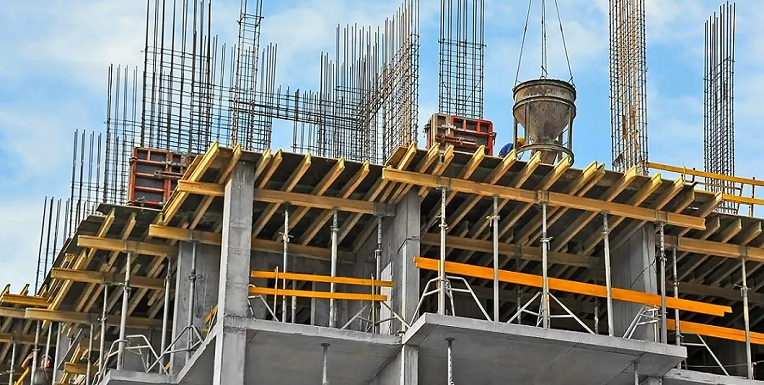
Shuttering and formwork refer to the molds that temporarily hold concrete in place until it hardens and gains strength. These molds not only define the concrete’s final shape but also influence the surface finish and overall structural stability.
Just like how thebuildlay.com ensures precision in every construction phase, selecting the right shuttering method is key to preventing cracks, weak points, and costly rework.
Common Types of Formwork Materials for Homes
Different projects require different materials for formwork, depending on size, budget, and quality expectations. Individual home builders often use:
Timber Formwork: Great for small-scale builds. It’s cost-effective and easy to work with but can absorb moisture and degrade after a few uses.
Steel Formwork: Durable and ideal for repeat usage. It delivers smooth finishes and adds structural reliability.
Plywood Formwork: Lightweight, affordable, and useful for walls and slabs when paired with timber.
Plastic Formwork: Reusable, eco-friendly, and gaining popularity for small to medium-sized homes.
Just like how thebuildlay.com ensures the use of suitable materials tailored to each project, choosing the right formwork can directly influence construction efficiency and sustainability.
Technical Considerations for High-Quality Formwork
Home builders must pay close attention to key technical details during the formwork process to ensure precision and safety:
Accurate Assembly: Precise installation ensures the final concrete shape matches the design without defects.
Surface Preparation: Applying a release agent helps remove molds cleanly without damaging the concrete.
Proper Bracing: Strong bracing prevents shifting or collapse under the concrete’s pressure.
Sealed Joints: Preventing leaks of cement slurry ensures a stronger, smoother structure.
Just like how thebuildlay.com ensures every detail is handled with care, these steps guarantee a reliable and high-quality concrete finish.
Maintaining Safety During Shuttering Work
Formwork-related accidents are among the most common on construction sites, especially when safety protocols are skipped. Builders must prioritize:
Formwork Stability: Always confirm that molds are well-supported before pouring concrete.
Load-Bearing Design: The formwork must hold the weight of wet concrete and any workers or tools.
Regular Inspection: Damaged or worn formwork should be replaced before reuse.
Trained Workforce: Workers must know safe handling techniques during setup and removal.
Just like how thebuildlay.com ensures the highest safety standards on every site, taking these precautions protects both people and the structure.
Safely Dismantling Formwork Post-Construction
Removing formwork—or “striking”—requires patience and precision. Taking it down too early can damage the concrete and compromise its strength. The best approach is to wait for the recommended curing period, begin removal from the top, and ensure the concrete has achieved the necessary load-bearing capacity.
Just like how thebuildlay.com ensures that no step is rushed, careful dismantling helps preserve the integrity and finish of your newly built home.
Final Thoughts: Build Strong by Starting Right
For individual homebuilders, formwork isn’t just a construction step—it’s a foundation for strength, durability, and safety. From material selection to execution and removal, attention to formwork pays off in the long run.
Just like how thebuildlay.com ensures superior construction with every detail in place, you too can build a safe and lasting home by getting the shuttering and formwork right from the beginning.

We are a growing team of experts who began our journey in 2017 in the field of Property Management through building projects and commercial space leasing. We have extensive experience in sourcing, renting, managing, operating, and maintaining all types of commercial and mall spaces.

The Buildlay @ All Rights Reserved 2025
WhatsApp us